
Five signs your drone battery is nearing the end of its life
Flight time that keeps shrinking, a pack that swells, or cells that drift apart on the charger are all warnings worth acting on before a flight is cut short.
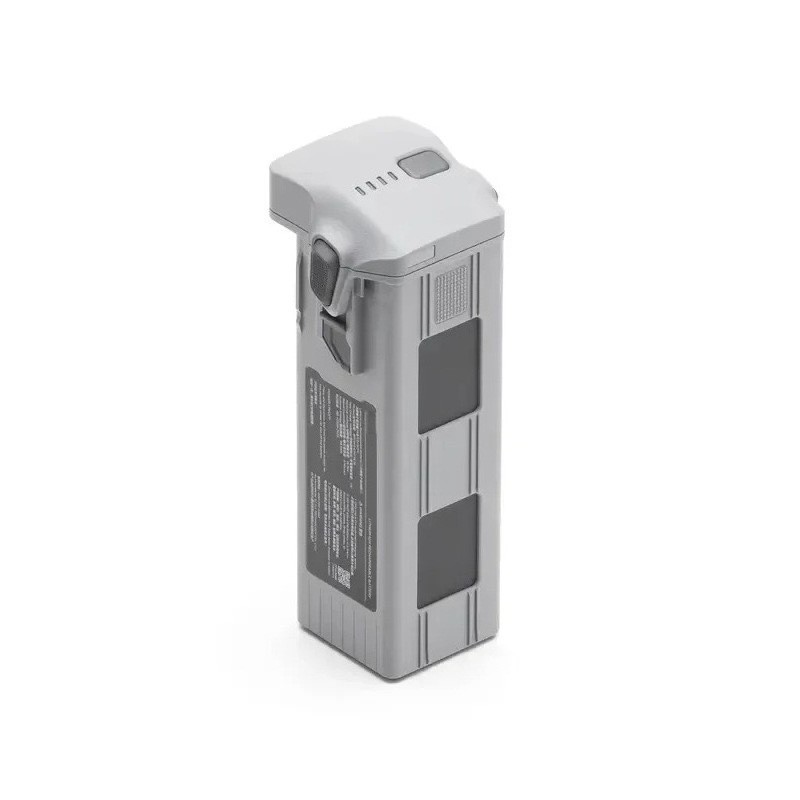
Lithium packs rarely fail without warning. They lose capacity slowly, then give a few clear signals that the end is close. Watching for those signals is cheaper than losing a drone mid-flight.
1. Usable flight time keeps dropping
A mild seasonal drop is normal. But when the same aircraft returns the same kind of flight five or six minutes shorter than it did a few months ago, the cells are losing usable capacity. Compare against your own logs, not against the number printed on the box.
2. The casing looks or feels different
Lay the pack on a flat surface and look along the seam. A slight bulge, a case that rocks instead of sitting flat, or a soft spot under your thumb is a reason to retire it. Swelling means gas is building up inside the cells, and that is not something to manage with tape or a tight strap.
3. Cell voltages drift apart
After a full charge, check the individual cell voltages in the app. A balanced pack sits within a few hundredths of a volt across cells. When one cell consistently reads noticeably lower than its neighbours and balancing no longer corrects it, that cell is aging faster than the rest.
4. The pack gets hot doing ordinary work
Warm is normal under load. Hot enough that you would not hold it comfortably is not. If a battery now heats up on flights that used to leave it merely warm, internal resistance has risen and more of the stored energy is turning into heat.
5. Charging behaves differently
Look for a pack that refuses to reach 100%, drops from full to 90% while sitting in a case, or shuts the charger down early. These are signs the battery management electronics are protecting against a weak cell.
What to do with a suspect pack
- Stop flying it. A pack that fails on the ground is an inconvenience; one that fails at altitude is a crash.
- Discharge it to storage level if you can do so safely, then take it to a battery recycling point.
- Do not store a swollen pack indoors for weeks hoping it settles down.
Replacing a tired battery on schedule is part of normal operating cost. Treating the warnings above as routine maintenance keeps the rest of the aircraft out of the repair shop.
Battery cycle counts: what the number does and does not tell you
Cycle ratings are a reference point, not a verdict. Heat, discharge depth and storage habits decide how much life a pack really delivers.
Nov 10, 2026Charging habits that extend camera battery life
Most camera batteries are worn out by routine charging habits rather than by age. A few changes to when and how you charge add cycles without any extra gear.
Looking for a battery partner?
Contact us for camera drone batteries and camera batteries.