
How to store spare drone batteries safely
A few simple habits keep spare intelligent flight batteries healthy between flights — and make the next take-off safer.
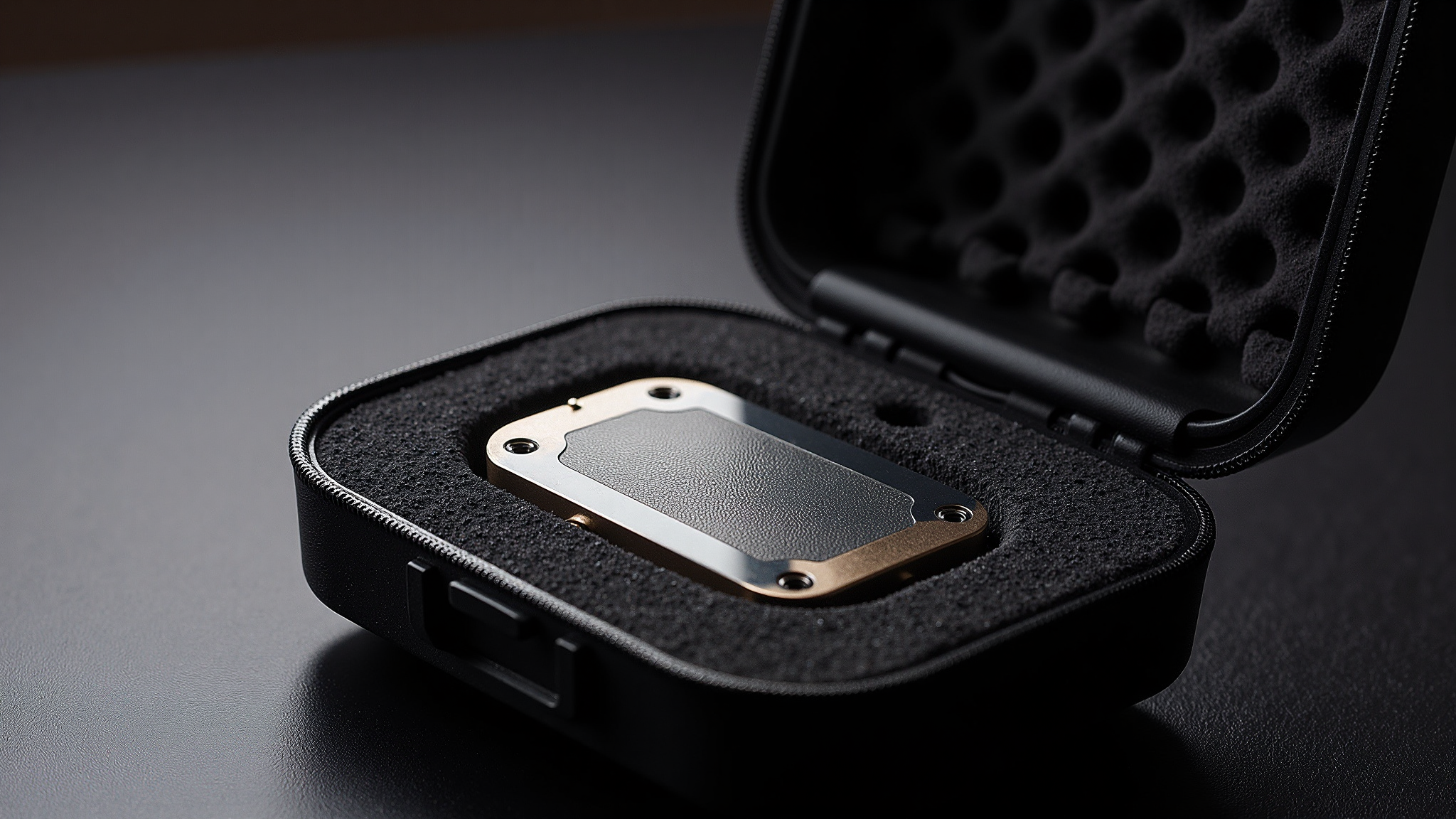
Spare packs often sit unused for weeks between trips. How they are stored has a real effect on how much capacity is left when you need them, and on how safely they behave in the air.
Store at a partial charge
Lithium batteries are happiest somewhere in the middle of their charge range. Long-term storage at 100% puts extra stress on the cells, while leaving a pack completely flat can let it drift into a deep-discharge state. Most intelligent flight batteries include a storage mode that brings the pack down to a safe level automatically — use it when you know you will not fly for a while.
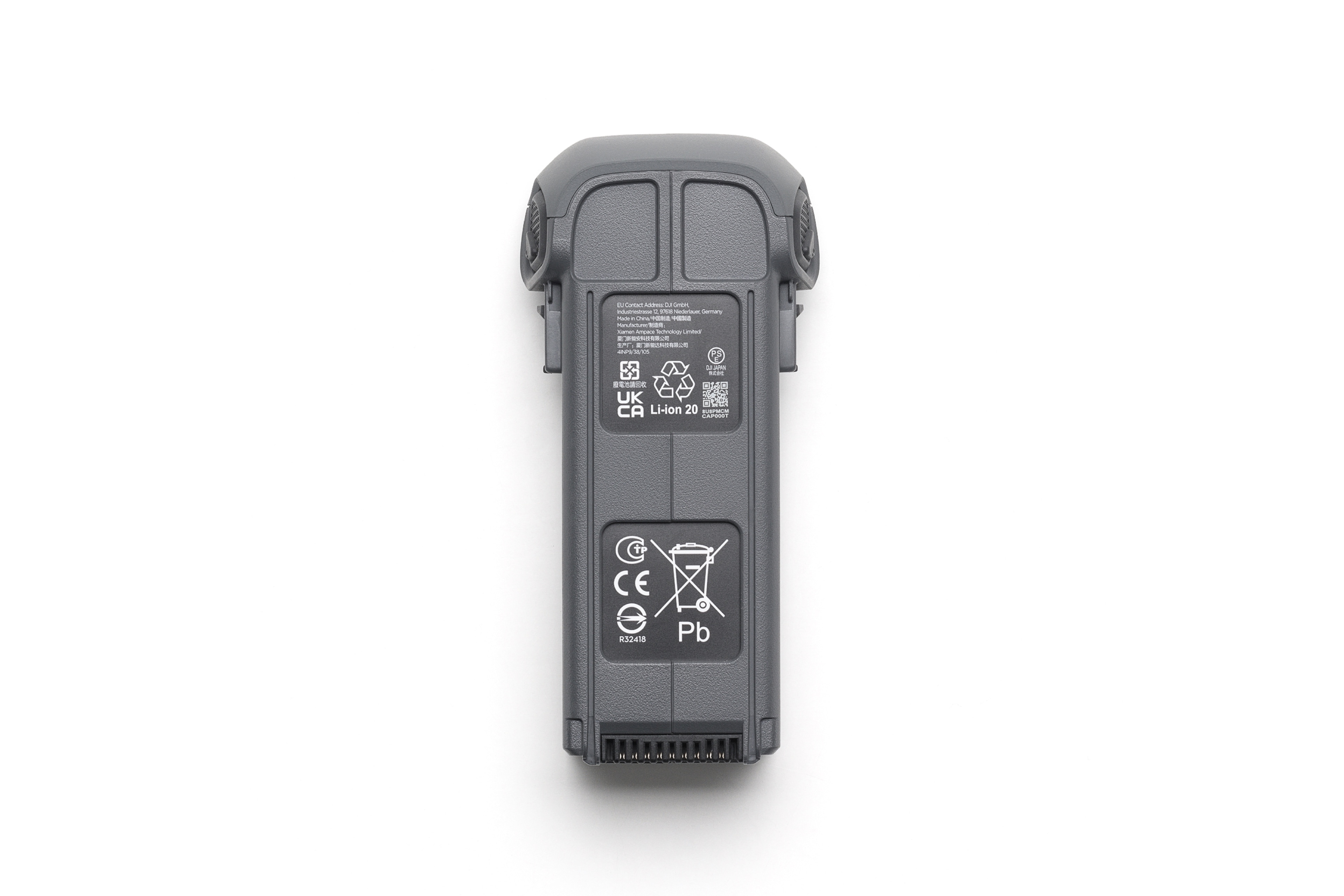
Keep them cool and dry
Heat is the biggest enemy of battery life. Avoid leaving packs in a car in the sun, on a windowsill or next to a heater. A dry room at a stable temperature is better than a sealed box in a warm garage.
Check before you fly
- Inspect the casing for swelling, cracks or dents.
- Look for any smell or discoloration around the connector.
- Confirm the pack charges normally and the app reports no cell errors.
- Retire any pack that has been dropped hard or exposed to water.
Good storage habits are not complicated. A little care between flights is usually enough to keep a spare pack ready for the next shoot.
Battery cycle counts: what the number does and does not tell you
Cycle ratings are a reference point, not a verdict. Heat, discharge depth and storage habits decide how much life a pack really delivers.
Nov 10, 2026Charging habits that extend camera battery life
Most camera batteries are worn out by routine charging habits rather than by age. A few changes to when and how you charge add cycles without any extra gear.
Looking for a battery partner?
Contact us for camera drone batteries and camera batteries.